
Top 7 Editorial Design Tips for Stunning Publications


Editorial design focuses on crafting visually appealing and readable publications like magazines and newspapers. It blends text, images, and layout to engage readers effectively. Learn essential tips to excel in editorial design in this article.
Key Takeaways
- Editorial design focuses on integrating text, imagery, and layout to enhance readability and engage readers.
- Effective layout and typography are essential in guiding reader comprehension and emphasizing critical content.
- Incorporating digital elements and mastering software like Indesign are necessary for creating modern, dynamic editorial designs.
Understanding Editorial Design
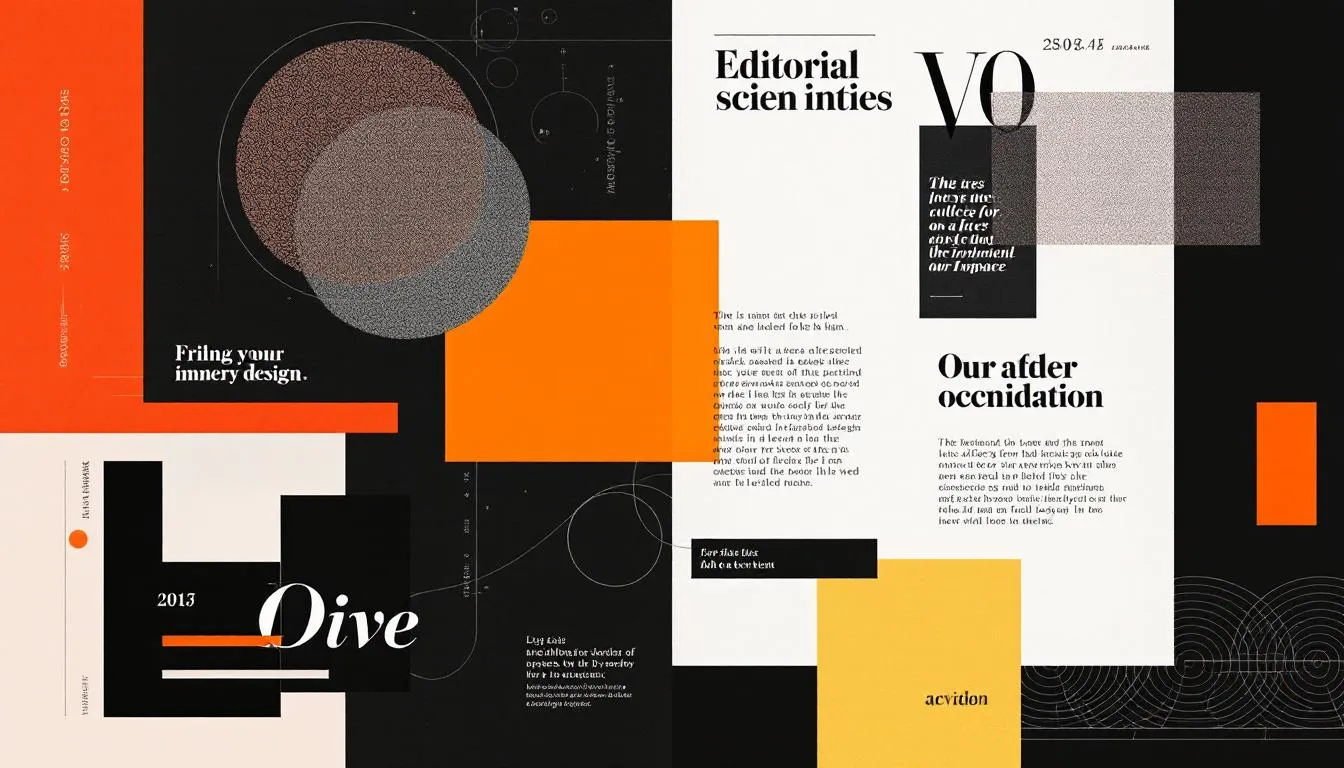
Editorial design specializes in the creation of books, magazines, and newspapers, focusing on the harmonious integration of text, image, and layout. At its core, editorial design aims to make publications not only visually appealing but also easier to read and navigate. This branch of graphic design requires a deep understanding of how visuals communicate with readers, transforming simple texts into engaging narratives.


The primary objective of editorial design is to achieve a balance between various elements, ensuring that each page is a symphony of composition, color, and typographic concepts. This harmony enhances readability and keeps the reader engaged from cover to cover. Typography, for instance, is not just about selecting fonts; it’s about using text as a design element that contributes to the publication’s aesthetics.
In the dynamic field of publishing, sometimes bending or even breaking design rules can lead to more creative and impactful outcomes. However, the strategic use of white space remains a timeless principle, contributing to the design’s aesthetic quality and creating a sense of balance that promotes a professional look in the world of graphic design. Mastering these foundational concepts enables graphic designers to craft compelling ideas and effective editorial designs.
The Role of Layout in Editorial Design
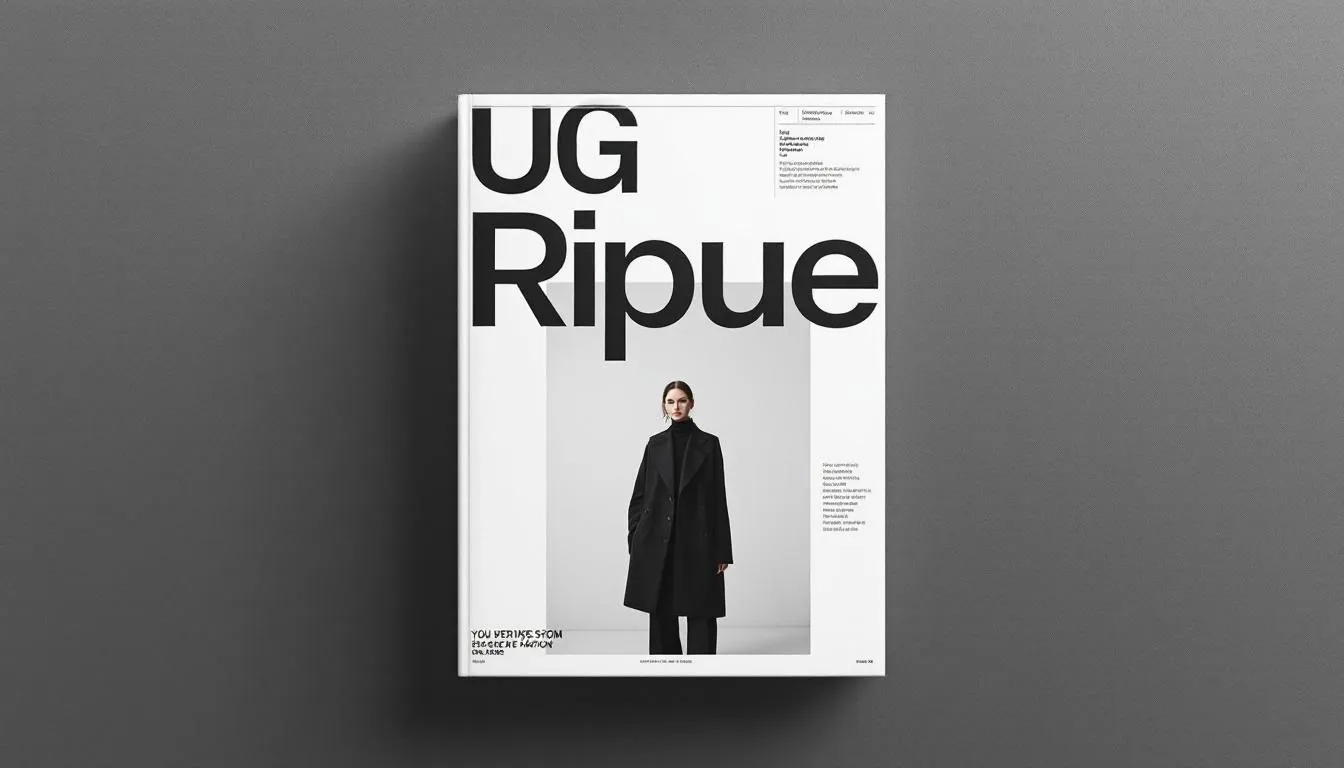
The layout is the backbone of any publication, guiding the reader through the content in a cohesive and attractive manner. A well-executed layout in editorial design ensures effective communication, making it easier for audiences to process information. A well-structured layout integrates content, imagery, and text, significantly boosting reader engagement and comprehension.
A key aspect of layout is the hierarchy, which helps viewers discern the importance of different pieces of information. Through various techniques such as font size, color, and positioning, designers can emphasize the most critical elements. Balance in layout, whether achieved through symmetrical or asymmetrical arrangements, adds to the visual appeal and keeps the reader’s attention.
Alignment and proximity are equally important in layout design. Proper alignment promotes organization and provides guidance to the reader’s eye across the content, while proximity helps clarify relationships between different elements. The strategic use of white space further enhances the visual hierarchy, directing the reader’s focus to the most important design elements. Together, these principles ensure that the layout not only looks good but also functions effectively.
Mastering Typography
Typography is a powerful tool in the hands of a graphic designer, capable of conveying a publication’s brand and message with precision. The choice of font can evoke specific emotions and associations, influencing how the content is perceived. Recognizing the impact of typography from the outset is key to creating effective and engaging publications.
Legibility is a cornerstone of good typography. Factors that significantly affect how easily text can be read include:
- Font choice
- Size
- Color contrast Talented designers know that:
- Using a limited number of fonts helps maintain a clean and effective design
- Avoiding visual clutter prevents distraction for readers.
Spacing between characters, words, and lines—enhanced by the strategic use of white space—further improves readability. Whether designing a book, magazine, or digital publication, mastering typography is crucial for creating printed texts that are not only informative but also visually appealing in printing, beginning with a strong foundation.
Utilizing White Space Effectively
White space, often referred to as negative space, is the unsung hero of graphic design. Its strategic use brings clarity to designs, helping to prevent visual clutter and guiding the reader’s eye through the content. In editorial design, white space is essential for creating balance and clarity, making the overall layout more professional and aesthetically pleasing.
The effective use of white space helps to highlight the most important elements of the design, creating a visual hierarchy that directs the reader’s attention where it’s needed most. This not only enhances readability but also contributes to the publication’s brand identity by communicating values such as simplicity and elegance.
By understanding how to utilize white space, designers can create publications that are not only visually appealing but also easy to navigate across pages. This balance and clarity are crucial for keeping readers engaged and ensuring that the content is both accessible and understood.
Creating Visual Rhythm
Visual rhythm is the pattern of visual elements in a design that encourages motion and leads the viewer’s eye through the page. Creating a visual rhythm helps engage readers, making the content more enjoyable and easier to digest. This dynamic flow can be achieved through the contrast of colors, shapes, and images that draw attention to key elements in the design.
Repetition of design elements such as colors, shapes, or images creates a cohesive visual rhythm that reinforces the subject matter. Consistent styles and motifs throughout a publication not only create visual rhythm but also build a recognizable brand identity, which is a key concept.
Effective spacing between elements is crucial in establishing a clear hierarchy, which helps readers navigate through different sections of the publication. By preventing clutter, designers allow the visual rhythm to resonate more clearly with readers, enhancing their overall experience.
Incorporating Digital Elements
In today’s digital age, incorporating digital elements into editorial design is not just an option but a necessity. This design field is vital for both print and online media, adapting to various formats and reader interactions. The integration of multimedia elements like audio and videos can significantly enhance the storytelling experience, making it more immersive and engaging.
Digital editorial design offers greater compositional freedom, as it separates layout from physical support and allows for real-time updates and changes. Interactive features enable readers to influence the narrative, creating a more engaging and personalized experience.
Designers must ensure that their designs suit both digital and print formats and cater to different viewing devices as required. By embracing these digital elements, designers can create dynamic and responsive editorial content that is relevant to modern audiences and publish effectively, designed to meet diverse needs.
Essential Software for Editorial Design
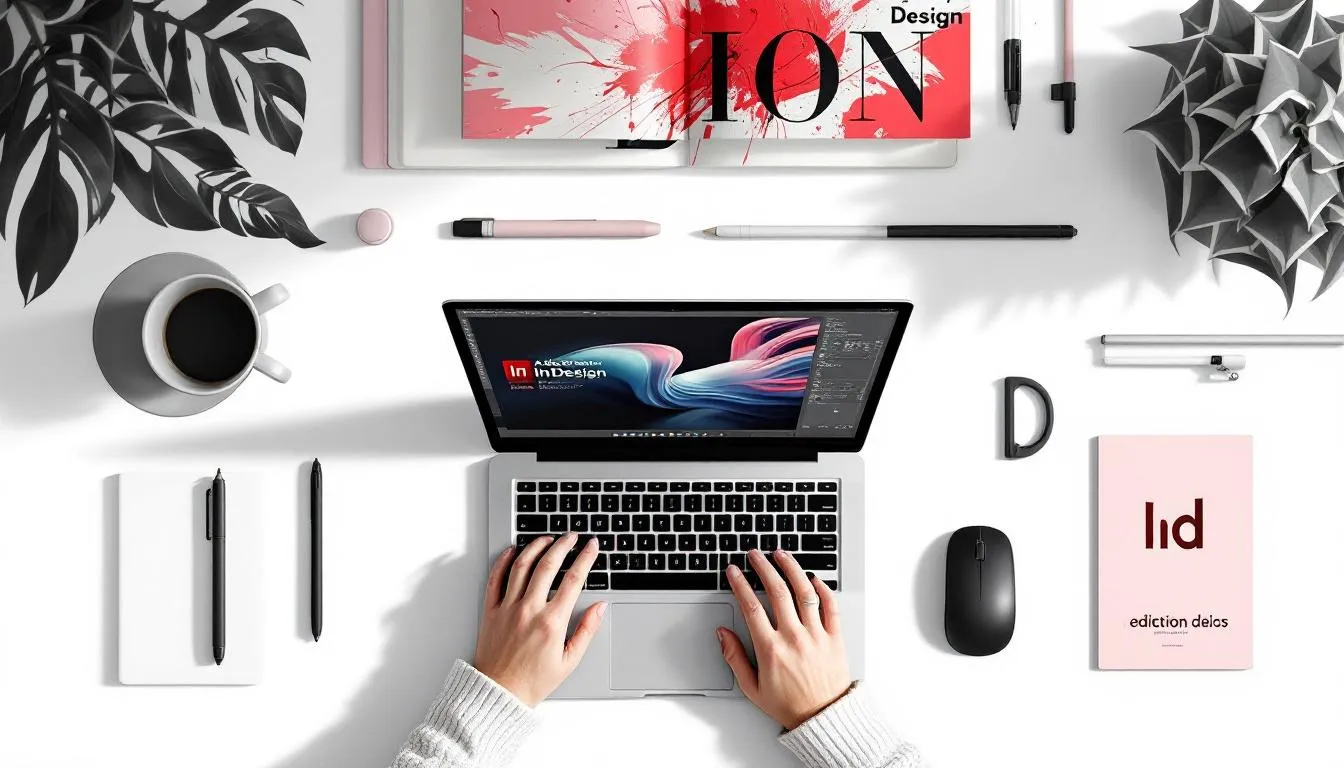
Using the right software is crucial for creating stunning editorial designs. Indesign is the leading application for editorial design, offering:
- A comprehensive suite of tools for creating projects ranging from flyers to magazines, books, and newspapers
- Powerful layout capabilities indispensable for editing multipage products
- Management of output standards for both print and digital formats
Talented designers rely on Indesign for its versatility and precision, allowing them to bring their creative visions to life. Whether it’s handling complex layouts or ensuring high-quality print output, Indesign provides the necessary features to meet the demands of modern publishing.
Mastering software like Indesign allows graphic designers to streamline their workflow, enhance productivity, and ultimately produce more professional and polished working programs publications.
Building an Impressive Portfolio
When choosing a designer for your editorial project, an impressive portfolio is key to understanding their unique style and strengths. Look for portfolios that:
- Showcase a variety of projects demonstrating creativity and versatility
- Highlight the designer’s ability to handle different design challenges
- Maintain a consistent visual style and cohesive design elements
Portfolios that include digital elements such as interactive PDFs or online galleries can offer a more dynamic and accessible way to experience the designer’s work. Selecting a designer with a portfolio that reflects true capabilities and creativity ensures you will receive fresh ideas, valuable feedback, and a collaborative approach that supports the success of your publication.
Summary
In summary, stunning editorial design hinges on understanding key principles such as layout, typography, white space, and visual rhythm. Incorporating digital elements and mastering essential software like Indesign further enhances the effectiveness and appeal of your publications.
By applying these tips, you can create designs that not only look good but also communicate effectively and engage readers. Remember, the beauty of editorial design lies in its ability to blend creativity with functionality, making each publication a work of art.
So, take these insights, experiment with new ideas, and continue to push the boundaries of what’s possible in editorial design. Your next stunning publication is just around the corner.
Frequently Asked Questions
What is editorial design, and why is it important?
Editorial design is crucial as it enhances the readability and aesthetic appeal of publications, ensuring that text and images work together effectively to engage readers. This thoughtful approach to layout not only improves user experience but also strengthens the message being conveyed.
How does layout influence the effectiveness of a publication?
A well-structured layout significantly enhances the effectiveness of a publication by organizing content attractively and ensuring clear communication through elements such as hierarchy and balance. This thoughtful design fosters better reader engagement and comprehension.
Why is typography crucial in editorial design?
Typography is crucial in editorial design as it effectively conveys a publication’s brand and message, while also enhancing legibility. A carefully chosen and limited selection of fonts ensures a clean and cohesive design.
How can white space improve a design?
White space enhances design by providing clarity and balance, reducing visual clutter and allowing important elements to stand out, which ultimately improves readability and aesthetic appeal.
What software is essential for editorial design?
Indesign is essential for editorial design, as it provides comprehensive tools for creating and editing a variety of publications, ensuring high-quality results for both print and digital formats.

I drive results for magazine publishers.
Experienced professional with a demonstrated history of working in the information technology and services industry. Skilled in internet engineering, marketing, business development and digital publishing.


